
How Spray-In Bedliners Protect Your Truck from Rust and Corrosion
Truck beds endure constant abuse from hauling cargo, exposure to weather, and the general wear that comes with regular use, making rust and corrosion serious threats to vehicle longevity and resale value. Traditional truck bed protection methods like drop-in liners, rubber mats, or simple paint leave gaps where moisture accumulates, and corrosion develops silently beneath protective surfaces. Understanding how modern protective coatings work and why they outperform older methods helps truck owners make informed decisions about protecting their significant investment from the destructive effects of rust. The difference between a truck bed that remains pristine for decades and one that deteriorates rapidly often comes down to the quality and type of protection applied early in the vehicle's life. Learning about the science behind protective coatings and their application reveals why this investment pays dividends in preserved vehicle value and extended useful life.
Creating a Seamless Moisture Barrier
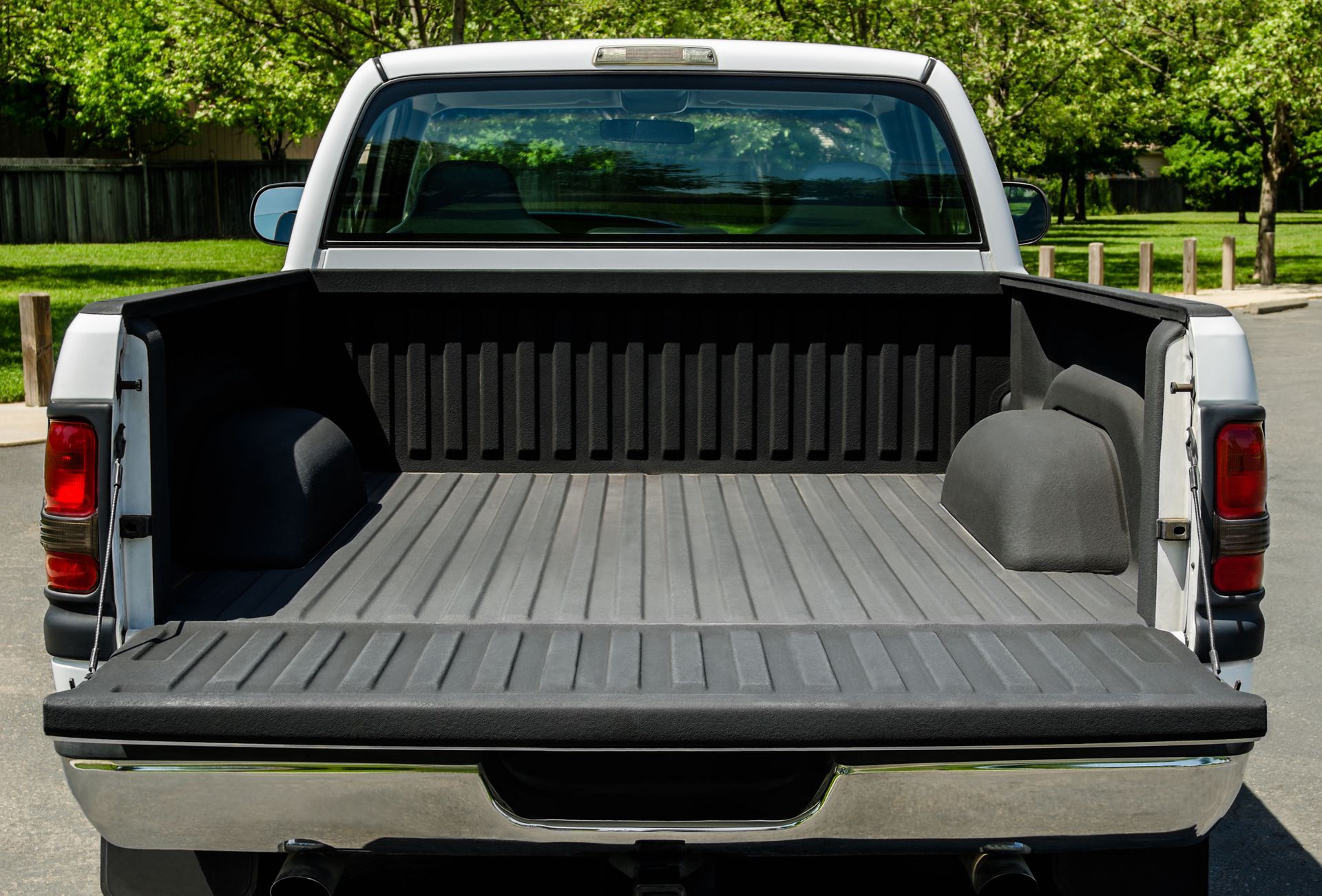
According to American Cars and Racing, with over 765,000 units sold in 2024, the Ford F-Series extended its streak as the best-selling truck to 48 years. These popular vehicles require proper protection to maintain their value and functionality throughout their service lives. Spray in bedliners create completely seamless protective barriers that eliminate the gaps and spaces where moisture traditionally accumulates beneath drop-in liners and rubber mats. Unlike removable protection that allows water to seep underneath and remain trapped against bare metal, sprayed coatings bond directly to the truck bed surface with no space for moisture accumulation. This seamless application prevents the hidden corrosion that develops when water sits undiscovered beneath conventional liners for months or years. The continuous protective layer extends up the sidewalls and over the tailgate, creating comprehensive coverage that leaves no vulnerable areas exposed to moisture and salt that cause rust formation.
The chemical bond that spray in bedliners with truck bed metal creates protection that becomes part of the surface rather than simply covering it like traditional liners that rest loosely on top. This molecular adhesion means the protective coating cannot shift, move, or create gaps during use, regardless of how much cargo slides across the bed or how extreme the weather conditions become. The direct bond also prevents moisture from working underneath edges, as happens with drop-in liners that eventually allow water infiltration around perimeters and mounting points. Once properly cured, the coating becomes a permanent protective layer that can only be removed through deliberate grinding or chemical stripping, ensuring long-term protection that doesn't deteriorate or require replacement like conventional bed protection methods that wear out or need periodic replacement.
Providing Thick, Durable Protection Layers
Professional applications of spray in bedliners typically create protective layers several millimetres thick that absorb impacts and resist punctures that would damage thinner coatings or paint finishes. This substantial thickness provides cushioning that protects the underlying metal from impacts when cargo is loaded or when heavy items shift during transport over rough terrain. The durable coating resists scratching, gouging, and abrading that exposes bare metal to corrosive elements, maintaining its protective integrity even under harsh working conditions. Unlike paint that chips and peels when impacted, revealing vulnerable metal underneath, properly applied spray coatings flex slightly to absorb impacts without cracking or separating from the metal surface they protect from rust and corrosion.
Truck beds regularly encounter corrosive substances, including road salt, fertilizers, petroleum products, and various chemicals that accelerate rust formation when they contact unprotected or inadequately protected metal. Quality protective coatings resist degradation from these harsh chemicals, maintaining their protective barrier even after repeated exposure to substances that would destroy paint or attack unprotected metal. This chemical resistance proves particularly valuable for work trucks that haul agricultural products, construction materials, or industrial goods that may contain corrosive compounds. The coating's resistance to chemical attack ensures protection remains effective throughout the truck's service life rather than deteriorating and failing after a few years of exposure to harsh working conditions and corrosive materials.
Preventing Moisture Accumulation in Bed Seams
Truck beds contain numerous seams, joints, and crevices where panels meet, and moisture naturally collects, creating ideal conditions for rust to begin and spread rapidly. Spray in bedliners fills these vulnerable areas, eliminating the pockets where water accumulates and sits against bare metal, causing corrosion to develop. The coating flows into every gap and corner during application, then cures into a solid protective layer that prevents moisture from ever reaching the metal surfaces hidden in these problematic areas. This comprehensive coverage of seams and joints addresses corrosion initiation points that conventional protection methods cannot adequately protect because drop-in liners and mats cannot conform to irregular surfaces or fill the small spaces where rust typically begins.
While bed surface protection receives most attention, the underside of truck beds also faces serious corrosion threats from road spray, standing water, and exposure to salt and chemicals thrown up from roadways. Many professional coating applications include underside treatment that extends protection to these vulnerable areas that owners often overlook until corrosion has already begun. This comprehensive approach addresses the complete corrosion threat rather than protecting only visible surfaces while leaving undersides vulnerable to rust that eventually perforates the bed from below. Protecting both top and bottom surfaces with spray in bedliners ensures maximum longevity and prevents the unfortunate situation where a pristine-looking bed surface hides serious structural corrosion developing unseen underneath.
Eliminating Abrasion From Sliding Cargo
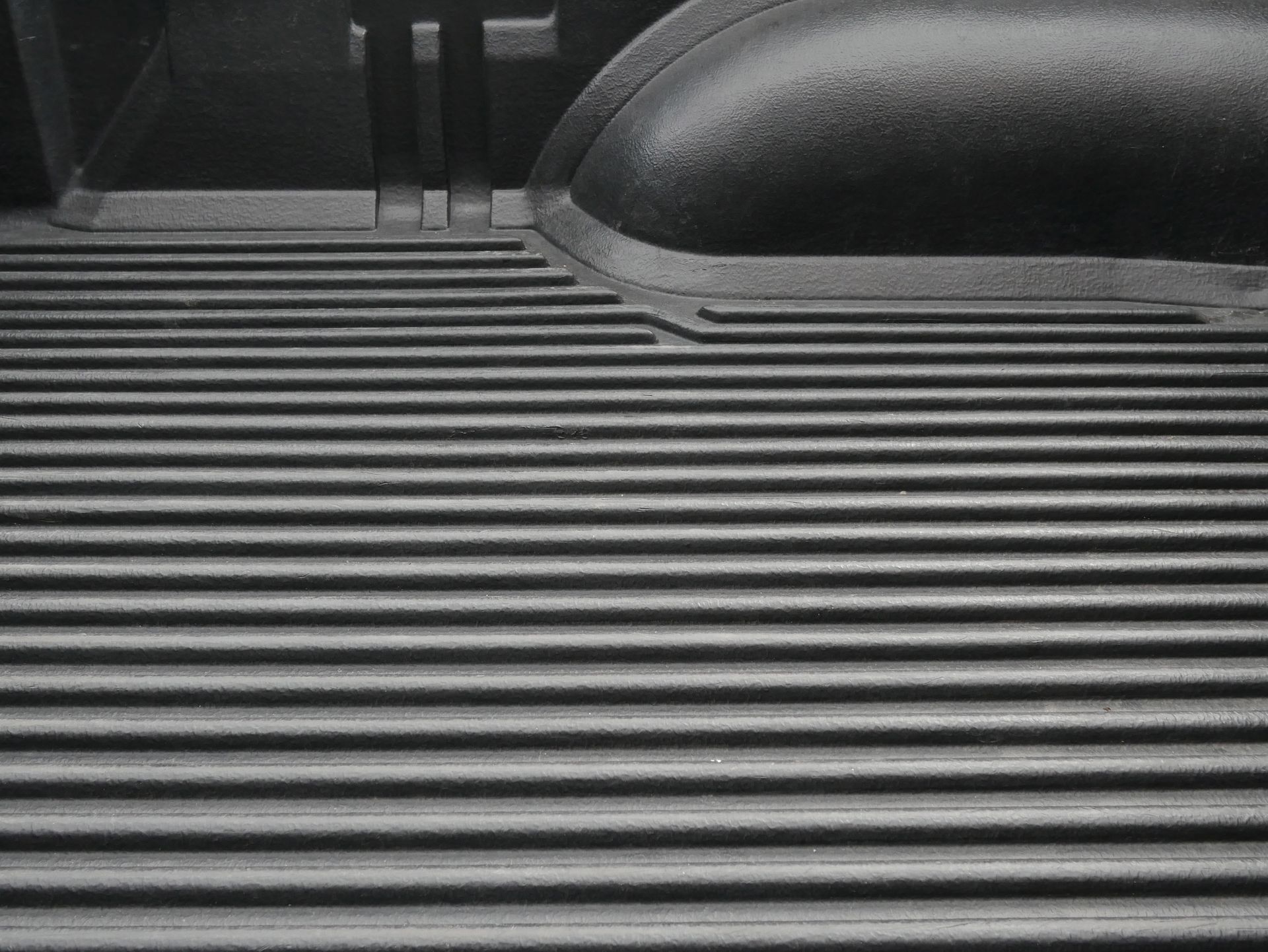
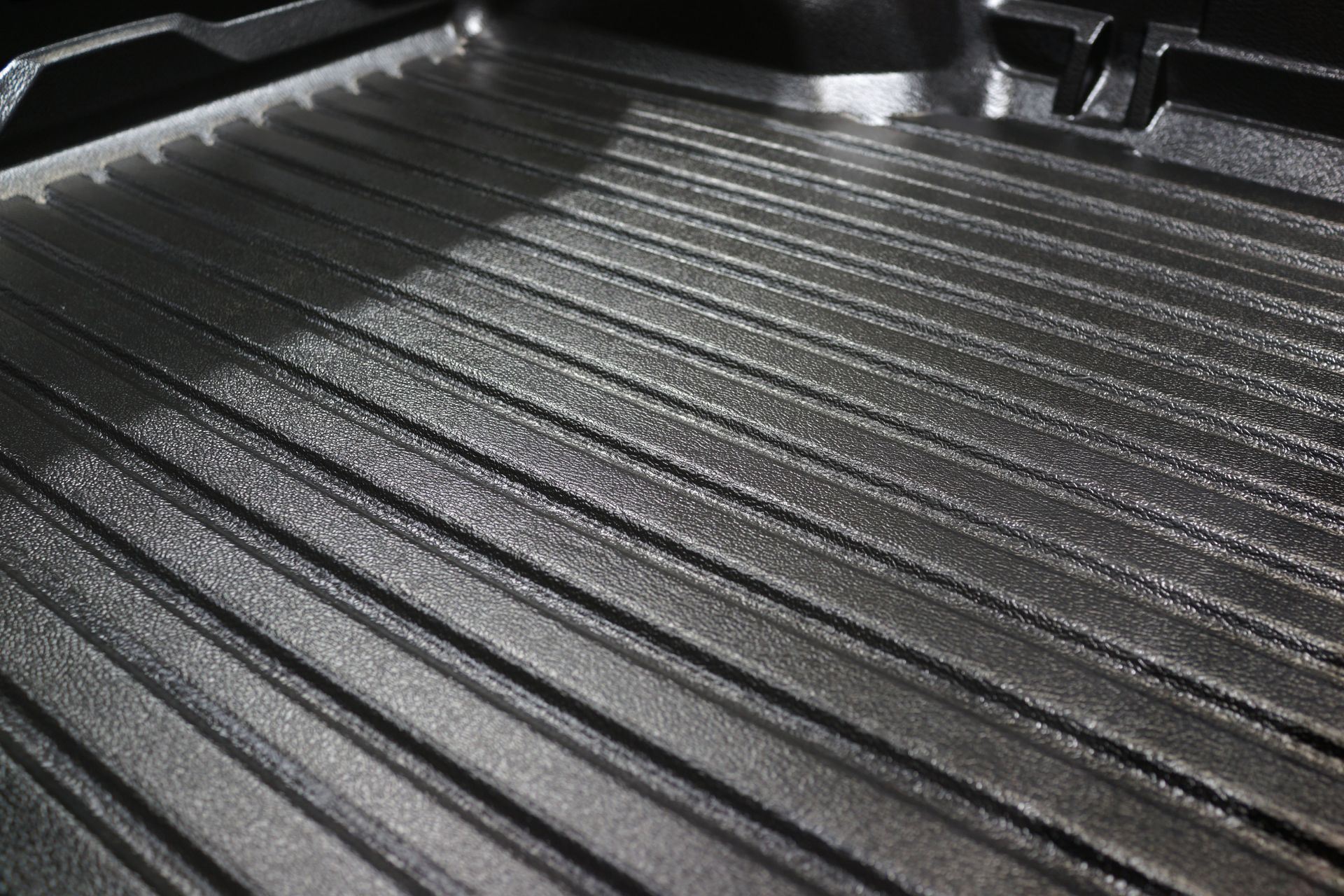
Cargo sliding across truck beds during transport creates constant abrasion that wears away protective coatings and eventually exposes bare metal to corrosive elements and moisture. The textured surface of spray in bedliners reduces cargo movement by providing friction that helps secure loads, minimizing the sliding that causes abrasive wear to both cargo and bed surfaces. When sliding does occur, the thick, durable coating resists the abrasive action far better than paint or thin protective layers that quickly wear through to expose vulnerable metal. This abrasion resistance ensures protection remains intact even in work trucks that experience heavy use and constant cargo movement that would destroy conventional bed protection in relatively short time periods.
The initial investment in professional protective coating pays for itself many times over through prevention of rust damage, elimination of replacement costs for failed drop-in liners, and preservation of truck value throughout ownership. Trucks with intact, rust-free beds command significantly higher resale values than those showing corrosion damage, making protection a sound financial investment beyond just preserving functionality. The coating eliminates ongoing maintenance needs and replacement costs associated with traditional bed protection methods that wear out and require periodic replacement throughout the vehicle's life. When properly applied, spray in bedliners can literally outlast the truck itself, providing protection that never needs replacement or major maintenance beyond occasional cleaning to maintain appearance.
Protecting your truck bed from rust and corrosion through professional coating application represents one of the smartest investments you can make in preserving vehicle value and extending useful life. The superior protection provided by modern spray coatings eliminates the compromises and limitations inherent in traditional protection methods that allow moisture access to vulnerable metal surfaces. Understanding how these coatings work and why they outperform alternatives helps you make informed decisions about protecting your truck from the destructive effects of rust and corrosion that diminish value and eventually compromise structural integrity. Whether you need spray-on bedliners, underbody protection, custom sprays, or commercial protective coatings, Hampton Roads Protective Coatings provides expert application with walk-in estimates, will beat competitor rates, and offers a lifetime warranty on all bedliners. For more information, contact us today!
Share On: